

Crystals for Positive Energy: 8 Stones for a Brighter Home
The crystals most often chosen for positive energy are amethyst, rose quartz, tiger's eye, citrine, labradorite, green aventurine, lapis lazuli and black obsidian. Our top pick is the Amethyst Orgonite Pyramid ($49): in crystal tradition, amethyst is associated with a calm, bright atmosphere, and a pyramid on your desk or shelf keeps it in sight all day. It is rated 4.9 out of 5 by Spirad customers.

Amethyst Orgonite Pyramid
Handmade · Brazilian amethyst, smoky quartz and a copper spiral · 60 mm base · rated 4.9 out of 5 by Spirad customers
See it · $49Below, you will find all eight stones side by side, the tradition behind each one, and where it fits best in a home or workspace. Most of the pendants live in our protection crystals and jewelry, and the pyramids in our orgonite pyramids collection.
What "positive energy" means with crystals
When people talk about good energy, they usually mean the mood of a place: a room that feels warm when you walk in, a desk that makes you want to sit down and start. In crystal tradition, each stone is associated with a different shade of that mood, such as calm, warmth, cheerfulness or courage. Color and light do part of the work, and intention does the rest. A stone you see every day becomes a small reminder of how you want to feel there.
The 8 best crystals for positive energy at a glance
| # | Stone | Color | In tradition, associated with | Best place | Spirad piece | Price |
|---|---|---|---|---|---|---|
| 1 | Amethyst | Purple | Calm, a peaceful room | Desk, bedside table | Amethyst Orgonite Pyramid | $49 |
| 2 | Rose quartz | Soft pink | Warmth, kindness, love | Living room, bedroom | Rose Quartz Orgonite Pyramid | $49 |
| 3 | Tiger's eye | Gold and brown bands | Confidence, courage | Worn, or on a work desk | "Drop of Light" pendant | $32 |
| 4 | Citrine | Pale yellow to honey | Cheerfulness, "the sunshine stone" | Kitchen, home office | Not stocked today | – |
| 5 | Labradorite | Gray with a blue-green flash | Imagination, new chapters | Worn close to the heart | "Fine Pearl" pendant | $39 |
| 6 | Green aventurine | Soft green with a shimmer | Optimism, fresh starts | Entryway, plant shelf, worn | Tree pendant in green aventurine | $28 |
| 7 | Lapis lazuli | Deep blue with gold flecks | Honesty, clear thinking | Desk, worn | "Guardian Star" pendant | $42 |
| 8 | Black obsidian | Glossy black | Grounding, letting go of a heavy day | Entryway, worn | Black obsidian pendant | $34 |
1. Amethyst: the calm one
What it is. Amethyst is the purple variety of quartz, hard enough (7 on the Mohs scale) for daily handling. Its name comes from ancient Greek, and it has been carved into seals and jewelry for thousands of years.
The tradition. In crystal lore, amethyst is associated with calm and a peaceful atmosphere. It is often called the stone that keeps a room gentle, which is why so many people pick it as their first crystal for good energy.
How people use it. Amethyst is a stone you place. A desk, a bedside table or a reading corner are the classic spots. Keep it out of strong afternoon sun, which slowly fades purple quartz.
Our pick. The Amethyst Orgonite Pyramid sets a Brazilian amethyst point at the apex, over a smoky quartz core and a hand-wound copper spiral in resin and metal. It measures 60 mm at the base and about 55 mm tall, weighs around 120 g, and is hand-poured in small batches, so no two look alike.
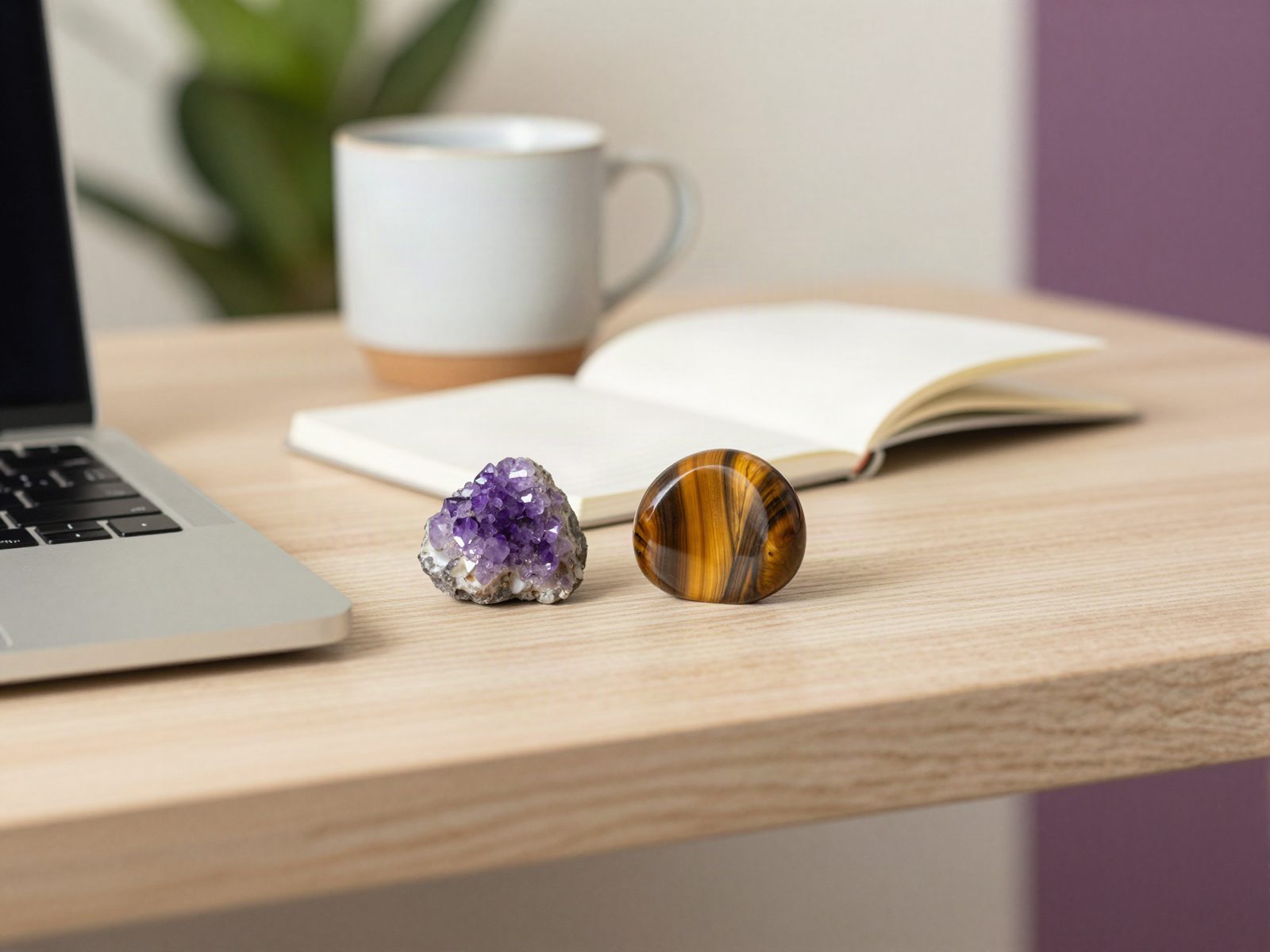
2. Rose quartz: the warm one
What it is. Rose quartz is pink quartz, also a 7 on the Mohs scale. It usually grows in large masses rather than pointed crystals, which is why you mostly see it tumbled, carved or polished.
The tradition. Rose quartz is known in crystal tradition as the stone of love, linked to warmth, kindness and tenderness toward yourself and others. If you want a home that feels welcoming, it is the stone people reach for.
How people use it. A living room shelf, a bedroom dresser or a shared table where the family gathers. Like amethyst, it fades in long sun, so keep it away from bright windowsills.

3. Tiger's eye: the confident one
What it is. Tiger's eye is a golden-brown quartz with a fibrous structure that makes a band of light glide across the surface as you turn it. That effect is called chatoyancy, from the French word for a cat's eye.
The tradition. In crystal lore, tiger's eye is associated with confidence, courage and steady decisions. Roman soldiers are said to have carried it into battle.
How people use it. It is a stone to wear or carry, especially on days that ask a lot of you: an interview, a presentation, a first day. Our "Drop of Light" tiger's eye pendant ($32) keeps it close all day.
4. Citrine: the cheerful one
What it is. Citrine is yellow quartz. Natural citrine is rare and usually pale; most deep orange citrine on the market is amethyst that has been heat-treated. Both are real quartz, so ask the seller which one you are buying.
The tradition. Citrine is often called "the sunshine stone" and is associated with cheerfulness, optimism and creative energy. Shopkeepers traditionally kept it near the till, which is how it also became a stone of abundance.
How people use it. A kitchen shelf or a home office, wherever you want a brighter mood. Spirad does not carry citrine today, but it belongs on any honest list. If the abundance side of the tradition interests you, our guide to crystals for abundance covers it.
5. Labradorite: the imaginative one
What it is. Labradorite is a feldspar, gray at first glance, that flashes blue, green and gold when light hits it at the right angle. Geologists call that play of color labradorescence. It is 6 to 6.5 on the Mohs scale.
The tradition. In crystal lore, labradorite is associated with imagination, intuition and change. People choose it when they are starting a new chapter and want a reminder to stay curious.
How people use it. Worn close to the heart, where the flash catches your eye through the day. Our "Fine Pearl" labradorite pendant ($39) is a simple way to start.
6. Green aventurine: the optimistic one
What it is. Green aventurine is a quartz with tiny flakes of mica that give it a soft shimmer, called aventurescence. It is roughly as hard as quartz and easy to care for.
The tradition. Known in crystal lore as "the stone of opportunity," green aventurine is associated with optimism, fresh starts and a light heart. Its green ties it to plants, spring and growth.
How people use it. Next to a houseplant, in an entryway bowl, or worn. Our tree pendant in green aventurine ($28) comes in four stones, so you can also pick amethyst or rose quartz.
7. Lapis lazuli: the clear-headed one
What it is. Lapis lazuli is a deep blue rock made mostly of lazurite, with white calcite and gold-colored flecks of pyrite. It was ground into ultramarine pigment for centuries. At 5 to 5.5 on the Mohs scale, it prefers to stay dry.
The tradition. Lapis is associated with honesty, wisdom and clear thinking. It was treasured in ancient Egypt and Mesopotamia.
How people use it. On a desk where you write or plan, or worn. Our "Guardian Star" pendant ($42) comes in lapis lazuli or labradorite. For a desk, the Sovereign Abundance Orgonite ($49) pairs lapis with malachite and amethyst in one pyramid.
8. Black obsidian: the grounding one
What it is. Obsidian is natural volcanic glass, formed when lava cools too fast to crystallize. In ancient Mexico it was polished into mirrors.
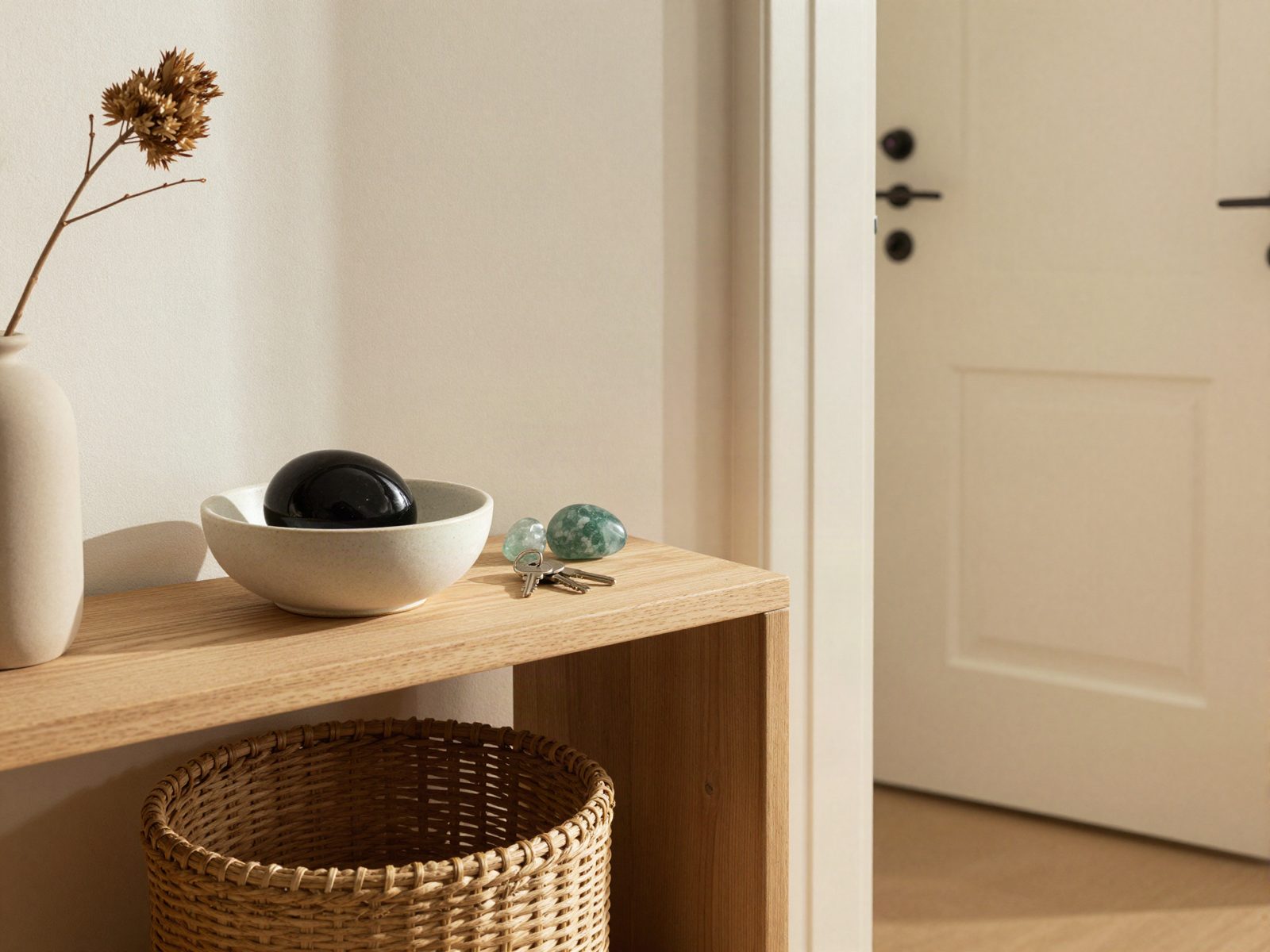
The tradition. In crystal tradition, black obsidian is associated with grounding and seeing clearly. It may seem odd on a positive energy list, but people keep it as a reminder to let go of a heavy day before they walk into the house.
How people use it. By the front door, or worn. Our black obsidian pendant ($34) has a clean, minimalist design.
Crystals for negative energy
Many people search for crystals for negative energy when what they want is a lighter home. In crystal tradition, the stones associated with clearing heavy energy are black obsidian, smoky quartz and black tourmaline. People place them by the entrance, or hold one at the end of the day as a reminder to let go. If keeping negativity out is your main goal, our guide to crystals for protection covers those stones in depth.
How to choose a crystal for positive energy
- Start with the mood you want. Calm: amethyst. Warmth: rose quartz. Confidence: tiger's eye. Cheer: citrine. Curiosity: labradorite. Optimism: green aventurine. Focus: lapis lazuli.
- Decide where it lives. Placed stones (a pyramid, a cluster) set the mood of a room. Worn stones (a pendant) go with you.
- Trust the color you love. You will look at it every day, so pick the one that makes you smile.
- Check the care. Quartz stones at 7 on the Mohs scale are easy. Lapis and obsidian are softer, and amethyst, rose quartz and citrine fade in sun.
- Set a budget. Our pendants start at $28, and our orgonite pyramids are $49.
How to set up a good energy corner
- Pick a spot you see every day: a shelf you pass, the corner of your desk, a windowsill out of direct sun.
- Clear it. Remove clutter so the corner feels intentional.
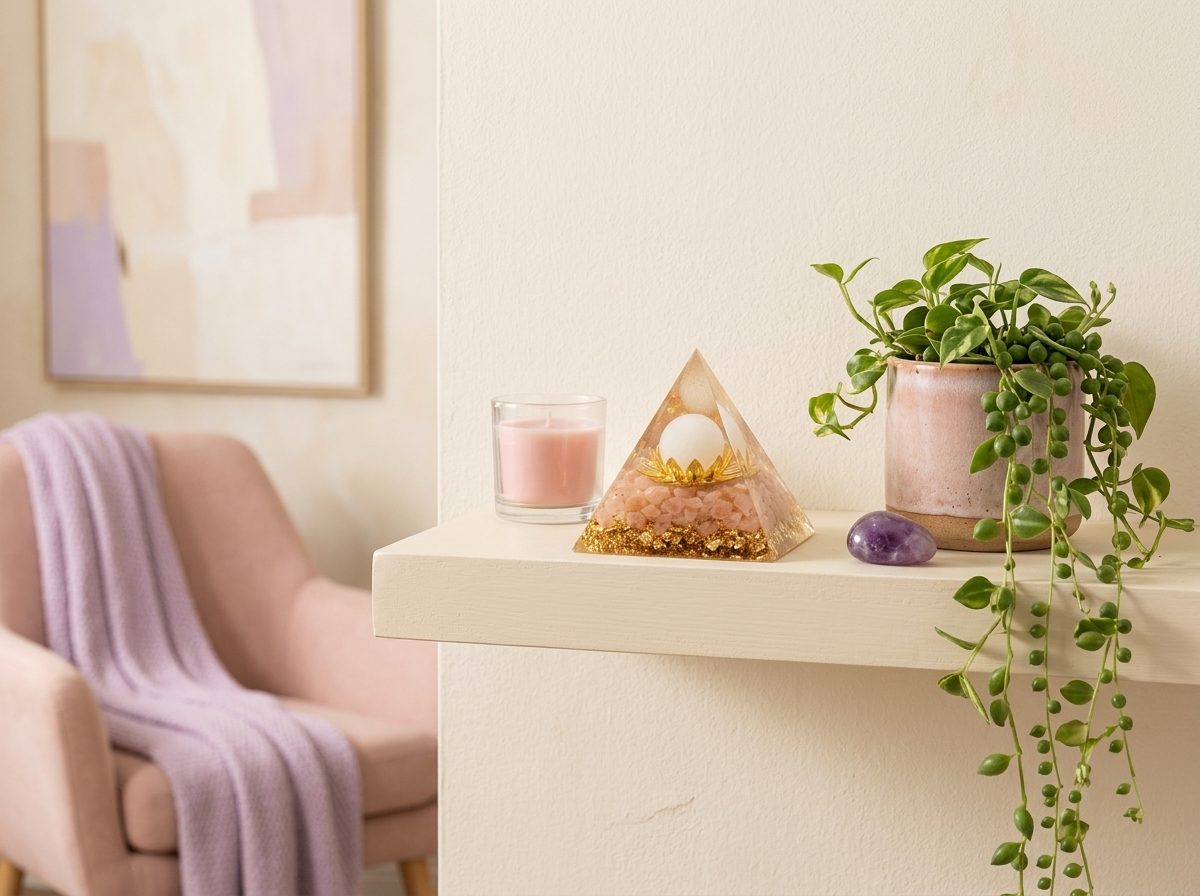
- Add one anchor piece. A pyramid gives the corner a center.
- Add one or two small stones that match the mood you want.
- Bring in something living, like a plant or fresh flowers.
- Set your intention in one sentence, and refresh the corner once a month. Our guide on how to cleanse crystals shows the gentle ways.
Where to put crystals for positive energy, room by room
| Room | The mood people want | Stone | Exact spot | Care note |
|---|---|---|---|---|
| Entryway | Leave the day at the door | Black obsidian, green aventurine | A bowl on the console by the door | Dust weekly |
| Living room | Warm and welcoming | Rose quartz | A shelf at eye level, away from the window | Fades in sun |
| Home office | Calm focus | Amethyst, lapis lazuli | Desk corner, beside the screen | Lapis stays dry |
| Kitchen | Bright and cheerful | Citrine, tiger's eye | Open shelf, away from the sink and stove | Keep away from steam |
| Bedroom | Gentle and quiet | Amethyst, rose quartz | Bedside table or dresser | Out of morning sun |
| Reading or meditation corner | Curious and open | Labradorite | Next to your favorite chair | Soft cloth only |
For more on the best spots for a pyramid in particular, see our guide on where to place an orgonite pyramid.
Frequently asked questions
What crystal brings positive energy into the home?
Rose quartz and amethyst are the two most popular. In crystal tradition, rose quartz is associated with warmth and amethyst with calm, and both look lovely on a shelf.
Which crystal is best for good energy at work?
Amethyst for calm and lapis lazuli for clear thinking are the classic desk stones. Tiger's eye is the one people wear on demanding days.
Can I combine crystals for positive energy?
Yes. A common pairing is one stone you place (amethyst or rose quartz) and one you wear (tiger's eye or labradorite). Our amethyst pyramid already combines amethyst with smoky quartz.
Where should I put crystals for positive energy?
Where you will see them often: your desk, your entryway and your bedside table are the three most common spots. See the room-by-room table above.
Do crystals for positive energy need cleansing?
Many people cleanse their crystals once a month, often at the full moon, as a ritual of attention. Moonlight and sound are safe for every stone.
What is the most positive crystal?
There is no single answer. Citrine is called "the sunshine stone," rose quartz "the stone of love," and amethyst the calm one. Choose the mood you want most.
Where to start
If you only choose one, start with amethyst in the room where you spend the most time, then add a stone you wear, like tiger's eye or labradorite. Crystals are a tradition and a practice of intention, not a promise. Pick the one that feels right in your hand, give it a spot you see every day, and let it remind you of the mood you want to live in.
Amethyst Orgonite Pyramid
Handmade in small batches · 60 mm base, about 120 g · 60-day returns · rated 4.9 out of 5 by Spirad customers
See it · $49